

A good headline gets attention. A great headline gets media coverage. In Poland, the most clickable press release headlines convey news angles from the very first words. They tell journalists why the story matters before they even open the email. But what exactly makes them so clickable?
1. Numbers
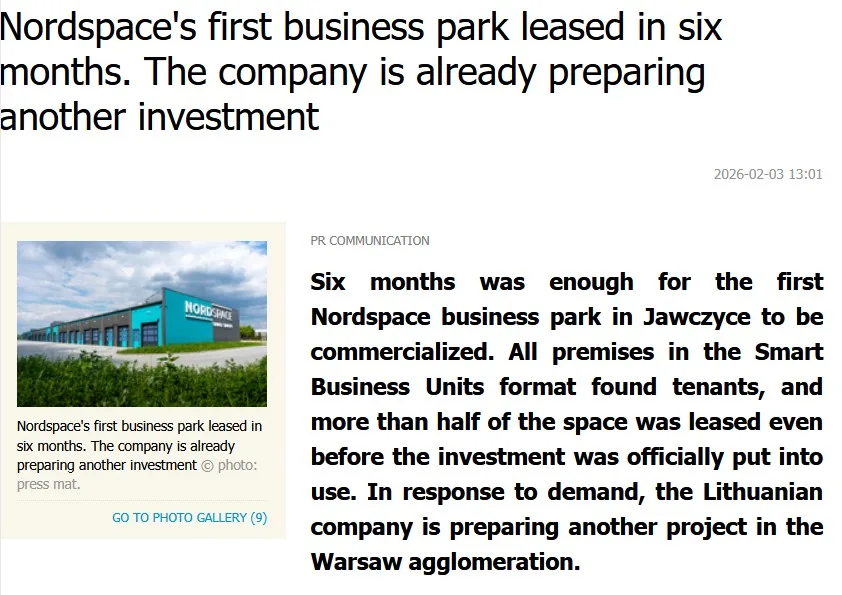
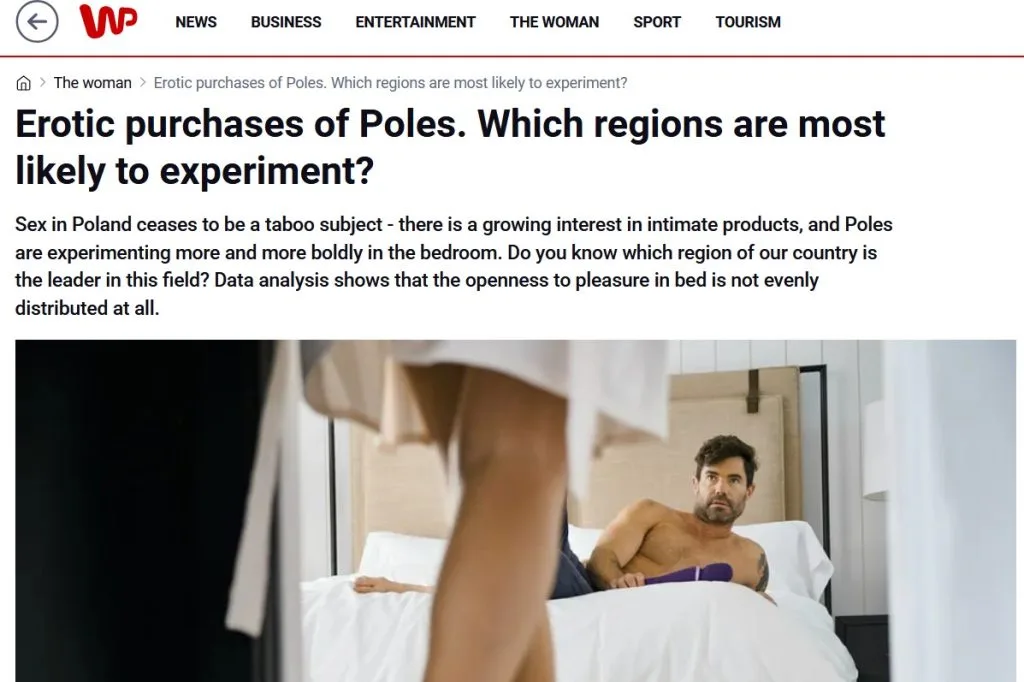
Numbers catch attention. But only if they say something interesting. A headline like “47.8% of Polish consumers..”. doesn’t tell much at first glance. “Nearly half of Poles…” does. It’s quicker to process and much easier to remember.
The best headlines usually use numbers that immediately show the scale of a story. Large percentages, very small figures or simple fractions tend to work particularly well.
For example:
- One in four Poles has no emergency savings.
- Only 2.4% of Poles choose sunglasses because of the brand.
- Nearly 70% of Polish parents worry about their children’s screen time.
2. Comparisons
A number on its own tells you very little. A comparison gives it meaning.
Headlines built around contrasts often perform amazingly in Polish media. They help journalists understand the story in seconds. They also help readers do the same. Poles naturally want to know who is doing better, who is falling behind or how one group compares to another.
For example:
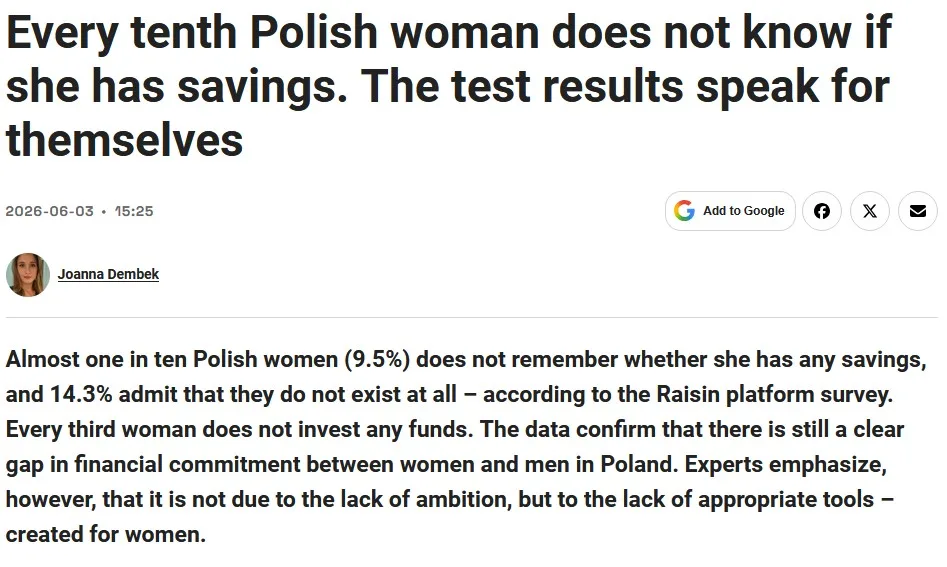
- Women in Poland save twice as much as men for retirement.
- Young Poles are more likely to trust AI than their parents.
- People living in small cities spend more on groceries than residents of Warsaw.
Comparisons turn data into a story. And stories are much more likely to make the headlines.
3. Comparisons with other countries
Poles love to know how they compare with the rest of the world.
A headline becomes much more clickable when it shows where Poland stands. Is it leading? Falling behind? Different from everyone else? Even a simple international comparison gives readers context and makes the story feel bigger than a single survey or report.
For example:
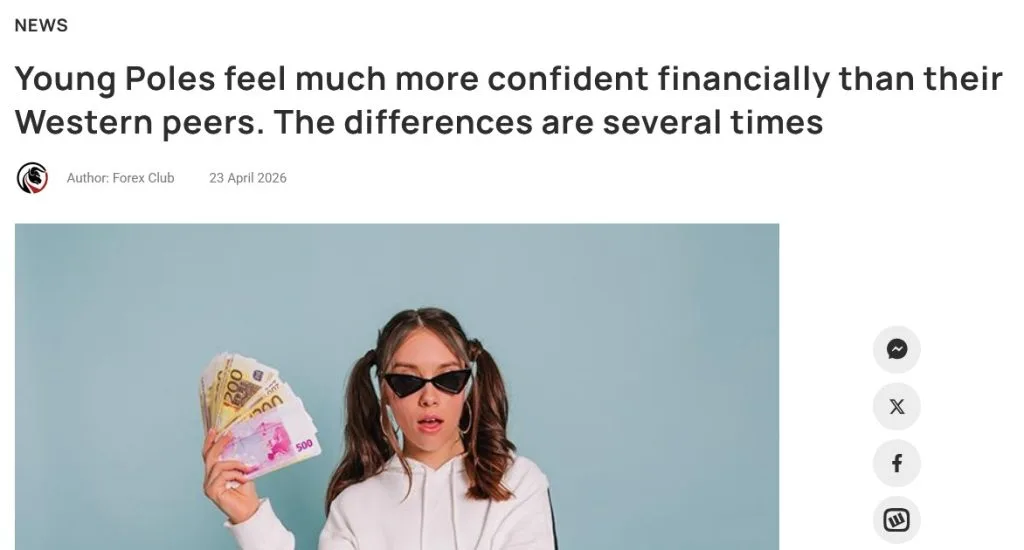
- Poles save more for emergencies than Italians.
- Poland has one of Europe’s fastest-growing second-hand fashion markets.
- Polish employees are less likely to change jobs than workers in Western Europe.
International comparisons instantly answer another question Polish readers often have: “How are we doing compared to everyone else?” When your data allows it, that’s a story worth telling.
4. Unexpected findings
Nobody clicks on a headline that tells them what they already know.
The headlines that travel furthest in Polish media challenge an assumption. They reveal something that doesn’t quite fit the picture people already have in their heads. That’s what creates curiosity.
For example:
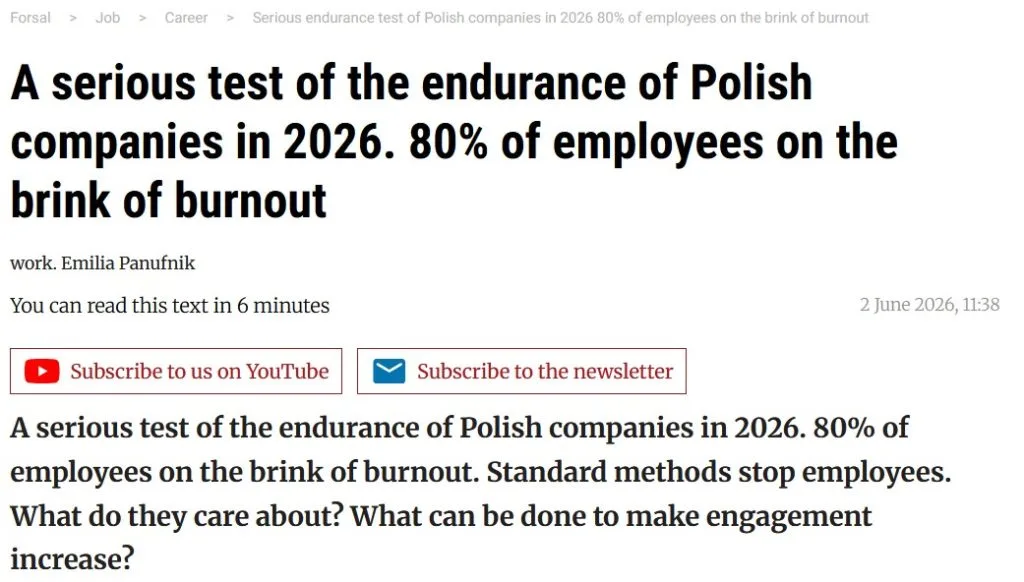
- The happiest employees are not the highest earners.
- Most parents overestimate how much time they spend with their children.
- Young Poles skip health checks more often than seniors.
The best headlines make people pause for a second and think, “Wow, I didn’t expect that.”
5. Local relevance
A story that could happen anywhere is usually less interesting than one that belongs in Poland.
Journalists are looking for stories that matter to their readers. Headlines mentioning Polish consumers, employees or parents perform better than those describing global trends. They immediately answer one important question: why should people here care.
For example:
- One in three Poles plans to change jobs this year.
- Polish drivers spend more on car maintenance than fuel.
- Most Polish parents say screen time causes family arguments.
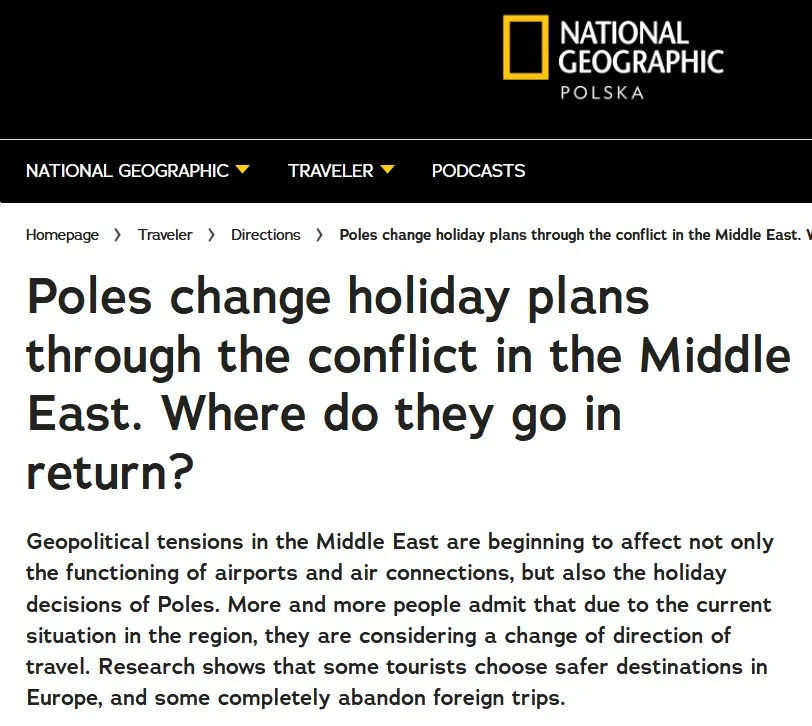
Whenever possible, bring the story closer to home. Even if your research covers several countries, highlighting the Polish angle usually makes the headline more clickable.
6. One news angle
In Polish media relations one headline means one story. One of the biggest mistakes global brands make is trying to fit an entire report into a single headline.
For example:
- Too much: Survey explores how AI is changing work, education and healthcare in Poland.
- Better: Young Poles trust AI more than their parents.
Journalists in Poland need only one good reason to keep reading. The rest belongs in the lead.
7. A curiosity gap
People don’t click because they know the answer. They click because they want to find it.
The best headlines reveal enough to make the story feel important, but leave one question unanswered. It doesn’t take much. Sometimes a single sentence is enough to make someone think: “How is that possible?”
For example:
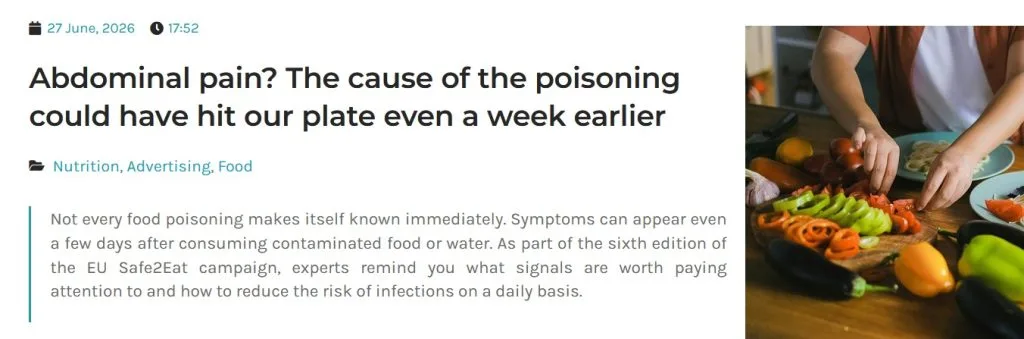
- Half of Polish parents regret one everyday parenting habit.
- More Poles are leaving big cities. The reason has nothing to do with house prices.
- One in three employees wants to quit. Salary isn’t the main reason.
A curiosity gap should never feel like clickbait. Polish readers still need to understand what the story is about. The headline should promise an answer.
Additional headline writing tips for the Polish market
Keep your headline short.
Long headlines rarely work well in Poland. If your headline starts reading like a lead, it’s probably too long.
Use natural language.
Write the way Poles speak. Avoid corporate phrases like leading provider, innovative solution or revolutionary product. They sound like marketing.
Don’t overuse a brand name.
Your brand doesn’t need to appear in the headline. In fact, unless the brand itself is the story, mentioning it can even reduce your chances of securing unpaid media coverage in Poland.
Frequently asked questions about writing headlines in Polish
How long should a Polish press release headline be?
Shorter headlines are usually easier to scan. Aim for one clear message rather than trying to include every finding.
Should I mention a brand name?
Yes, but only if your company is the story. Otherwise, focus on the news first.
Can I use a question as a headline?
You can, but statements usually perform better in Polish media because they immediately communicate the story.
Should every headline mention Poland?
If the story is about the Polish market, absolutely. It instantly makes the headline more relevant to journalists and readers.
Can a headline contain two sentences?
Yes. It can work well when the second sentence adds context or creates curiosity.
Writing a press release headline for the Polish market is different from writing one for any other country. If you need support with media company communication and PR for Poland, our team is here to help.