

Poland is building a credible position as a Central European financial hub. International attention stems from a solid economic foundation combined with a rapid shift towards digital finance. Here are 7 financial sectors currently gaining the biggest media attention here.
1. Personal finance apps
Data shows that Poles are building up more savings, but still tend to store them inefficiently – in cash or in non-interest-bearing accounts. In practice, this means that despite growing financial awareness, money is quietly losing value and “leaking away” over time.
At the same time, traditional budgeting methods still dominate. Dedicated budgeting apps remain relatively unpopular, despite increasing awareness of digital tools and AI. This creates a tension that the media loves. People want control and simplicity, but don’t fully trust automation when it comes to their own money.
For the media, the paradox is compelling – Poland is a leader in mobile payments and solutions like BLIK, yet for personal budgeting apps, a big slice of the pie is still up for grabs. This creates a space for personal finance apps to step in with tools already well established in other markets, such as YNAB, Cashew or Actual Budget.
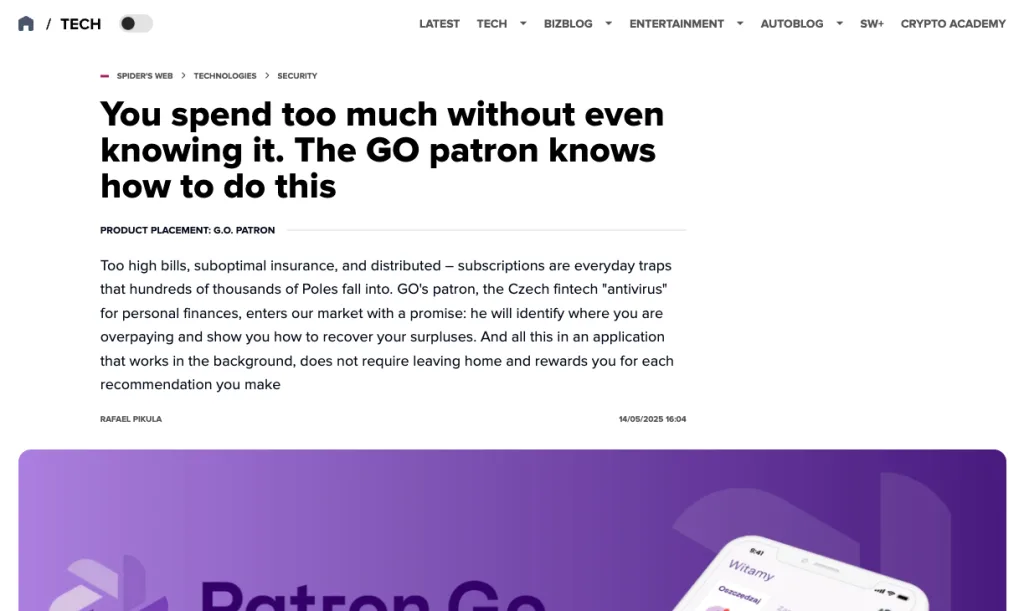
Examples of public relations activities:
- Press release based on market research into how Poles manage their budgets, or their savings habits.
- Interview with a brand representative on a more conscious approach to managing money, and how apps can support it.
- Analytical article comparing different approaches to personal finance management (manual vs app-based), with a focus on long-term habit building.
2. Neobanks
Poles are among the most open to new technologies in Europe. Particularly, younger users are quick to adopt mobile and financial solutions. The market has already been “educated” by the first wave of neobanks, which lowers the barrier to entry for new companies.
Poland also has a solid domestic payments infrastructure, with solutions like BLIK. This means that international neobanks need to either adapt to it or find their own way into the local ecosystem. It opens up a compelling narrative around global fintech players, such bunq, N26 or Openbank, operating within a distinctly local reality.
This creates a big opportunity for both new entrants and brands already present in Poland but lacking a PR strategy. The category is no longer new, but there is still no single default “go-to bank” for Poles.
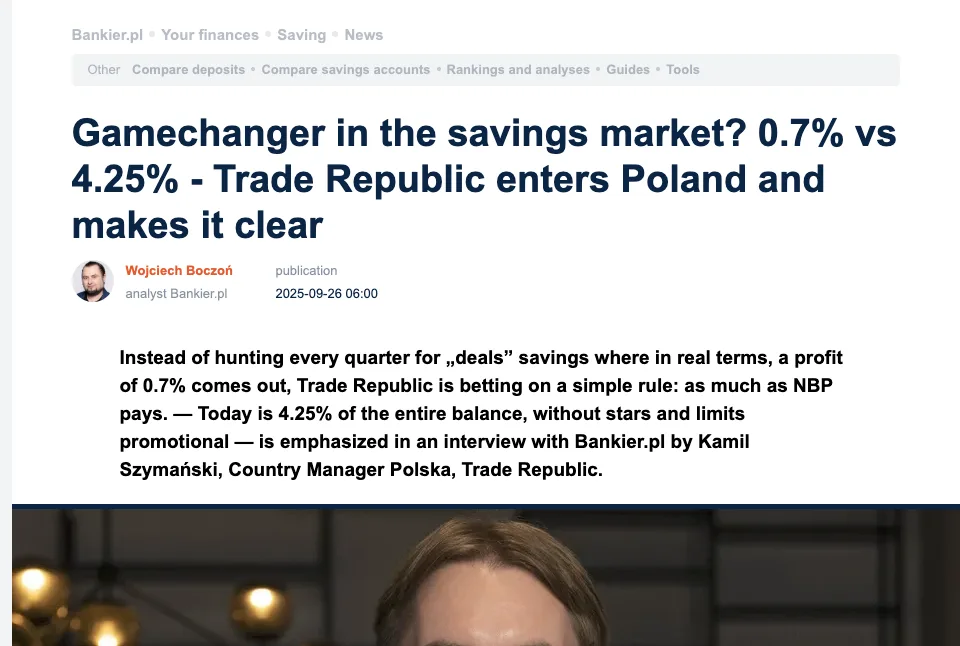
Examples of PR activities:
- Expert commentary on the competition between traditional banks and neobanks, with a focus on user behaviour.
- Press release based on market research exploring how Poles divide their money between different accounts (e.g. “daily spending”, “savings”, “don’t touch”).
- Interview on the evolving role of neobanks in financial life, including how they position themselves within local payment ecosystems and regulatory frameworks.
3. Embedded lending
The SME angle works well in Poland. It speaks to a real pain point for small businesses: cash flow. Embedded lending gives the media an easy-to-explain concept. Its financing is available directly where the business operates, without the need to go through a traditional banking process.
In Poland, access to funding for small businesses is still time-consuming. This makes alternative lending models naturally more appealing. At the same time, the number of companies operating online and within platform-based models is growing. This creates an ideal environment for solutions embedded into existing tools and ecosystems.
For the media, this is an attractive topic. It combines real business needs with a financing model that can be shown through concrete company examples. This is already reflected in the growing presence of international brands such as YouLend, Liberis or Uncapped, which are building their visibility through partnerships with platforms and payment providers. It also creates space for brands to build visibility through market education.
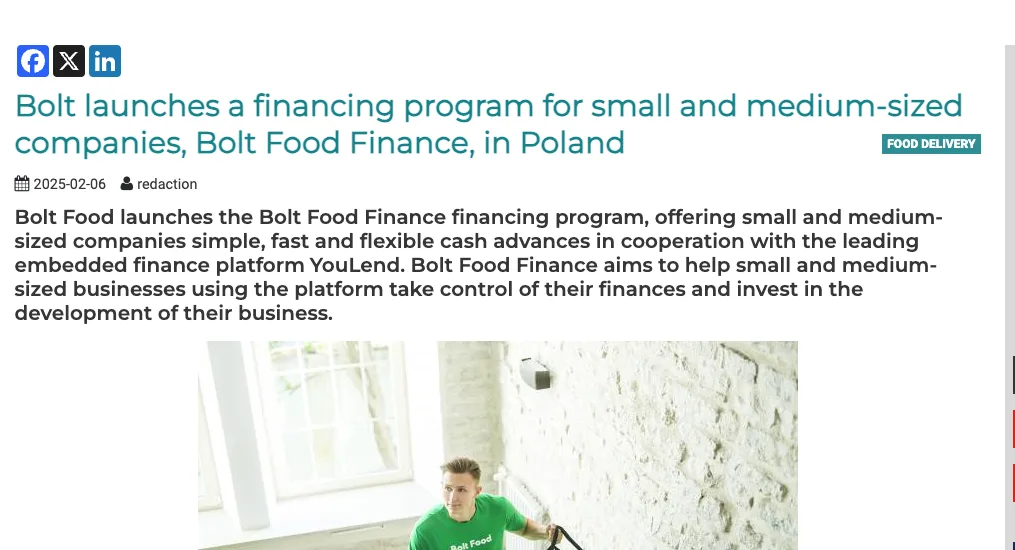
Examples of PR activities:
- Press release based on proprietary research among SMEs on cash flow challenges and access to financing.
- Educational article explaining how embedded lending works in practice, using real business scenarios.
- Case study distributed to media, showing how a specific company used embedded lending to improve cash flow or scale operations.
4. Crowdlending and investment crowdfunding
This topic sits exactly where the Polish media like to look. At the point where money, risk and something tangible meet. In many cases, that means real estate, equity in growing businesses or other types of projects.
In Poland, with the right narrative, it lands well. People are sitting on savings, but many are looking for something more than a standard account. At the same time, they don’t always trust abstract instruments. Tangible investments feel easier to understand and closer to real life.
Both models tap into that. They make investing more accessible and more “visible”. You’re not just buying into a concept. This is already reflected in the growing visibility of platforms such as InRento, Estateguru or Mintos.
Awareness of these models is still relatively low. That creates a need for education. Brands that show up early and explain the category well can position themselves as the go-to voice in the market.
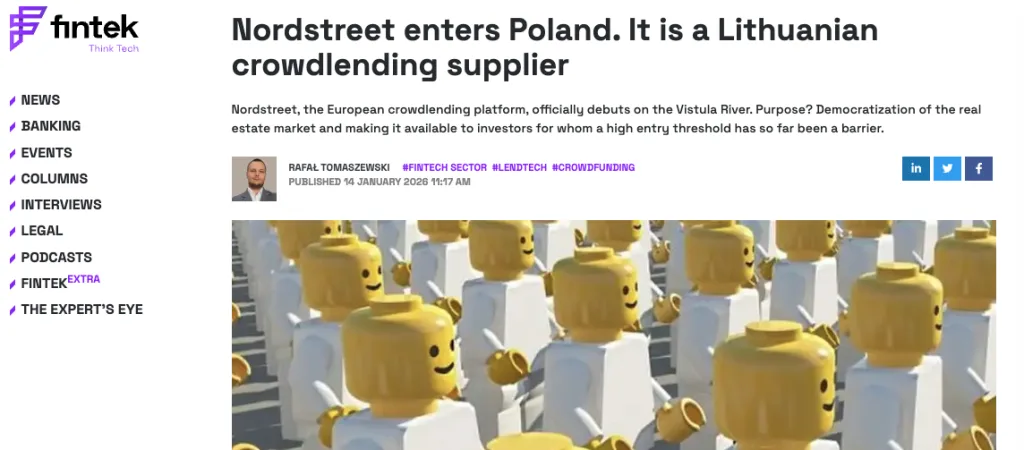
Examples of PR activities:
- Press releases with strong, headline-led angles (e.g. low entry investing), supported by research into Polish investors’ habits and expectations.
- A series of educational articles explaining how crowdlending and investment crowdfunding work in practice, using real-life examples.
- Data-driven stories based on platform insights, showing what Poles invest in, how much they commit and which projects attract the most interest.
5. Investing platforms
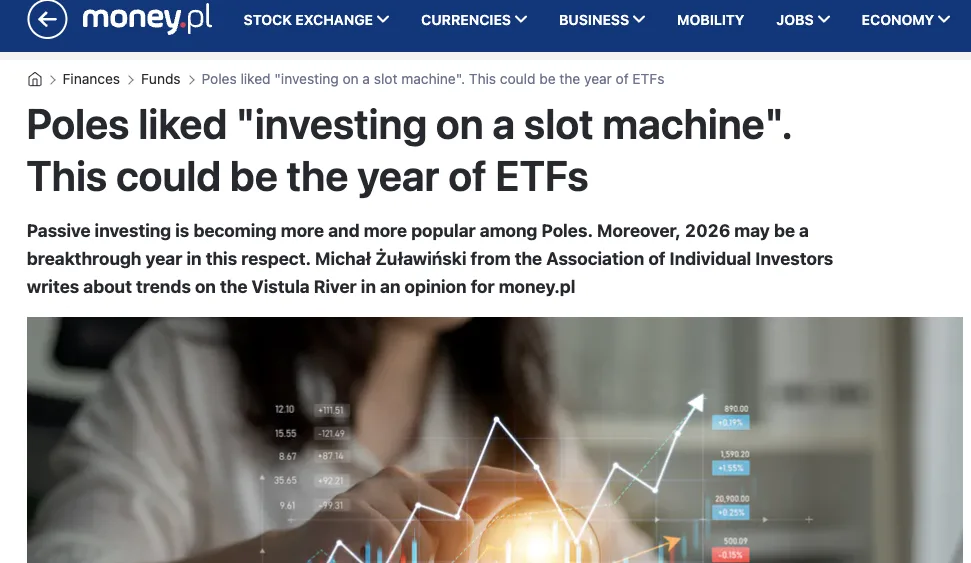
This is a really good moment for investment apps in Poland. Investing is reaching everyday users, especially younger Poles who are already used to managing their money through their phones. The topic is growing alongside the rise of ETFs, but also with a broader need for a simpler way into investing. Not something for “hardcore traders”, but for people who want to start in a more low-barrier way.
Polish media are picking it up quickly. It sits at the intersection of personal finance, technology and middle-class aspirations. It also ties neatly into wider conversations around inflation, saving and the need to make money work harder.
Since there is still no single brand that fully dominates this space in Poland, a range of platforms such as Lightyear, eToro or Trading 212 are actively competing for attention and have room to position themselves as expert voices.
Examples of PR activities:
- Press releases based on research into Polish investment behaviours, for example, differences between women and men and attitudes to risk and choice of tools.
- Editorial collab built around a “testing an investment app” format, where a journalist goes through the full user journey, from sign-up to first investment.
- Reports based on user profiles (e.g. first-time investing, building capital over time.
6. Saving platforms
For Polish media, this is one of the most relatable topics in fintech. It’s about something people deal with every day – what to do with their money so it doesn’t just sit there doing nothing.
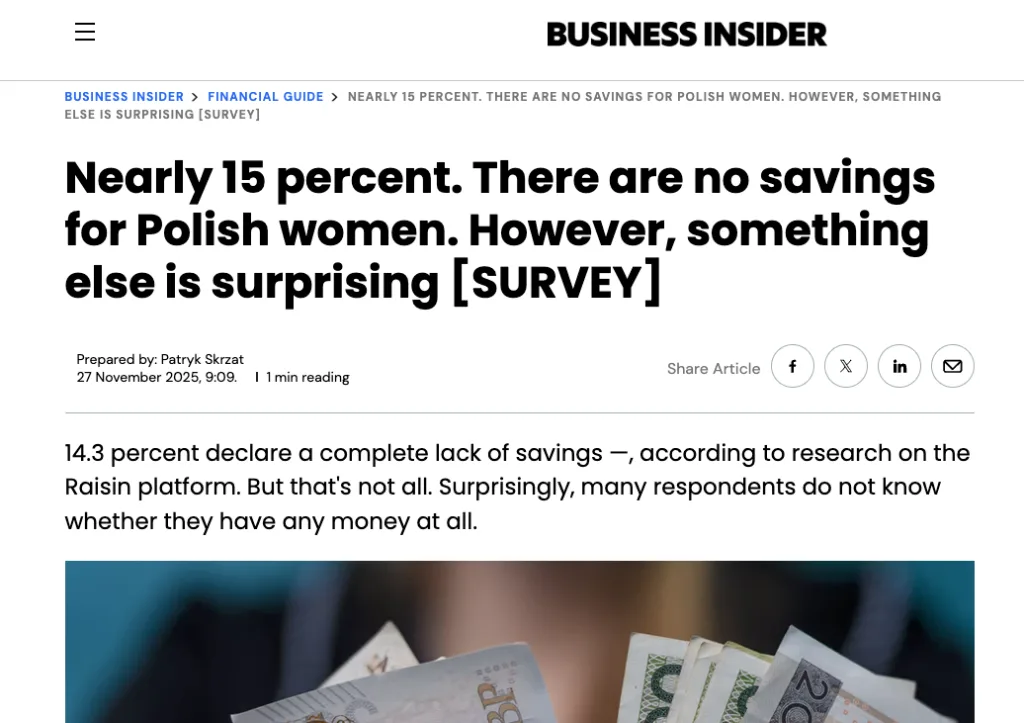
Over the past few years, Poles have become much more focused on interest rates. They’ve been chasing promotions, moving money between banks and keeping track of deadlines. Now, more and more of them are tired of it, they can see banks gradually lowering rates. The frustration kicks in, along with a growing search for alternatives to traditional savings.
Savings platforms are a very clickable, media-friendly topic. They can be easily shown through numbers and comparisons. There’s also a strong European angle – deposits from other countries and higher interest rates. This is already reflected in models developed by platforms such as Flagstone, Chip or Moneybox, which simplify how users manage and grow their savings. That sparks curiosity and gives journalists a good hook.
Examples of PR activities:
- Press releases based on data, highlighting how Polish consumers manage their savings and how much they could gain by moving beyond standard accounts.
- Long-form expert content explaining how savings platforms work and how they fit into everyday decisions.
- Regular expert commentary reacting to market changes (e.g. interest rates, bank decisions), explaining what they mean for savers.
7. Anti-fraud solutions
Poland has a highly developed digital banking environment, a large volume of online transactions and strong trust in financial institutions. The scale and complexity of financial fraud are increasing, affecting not only individuals but also e-commerce businesses.
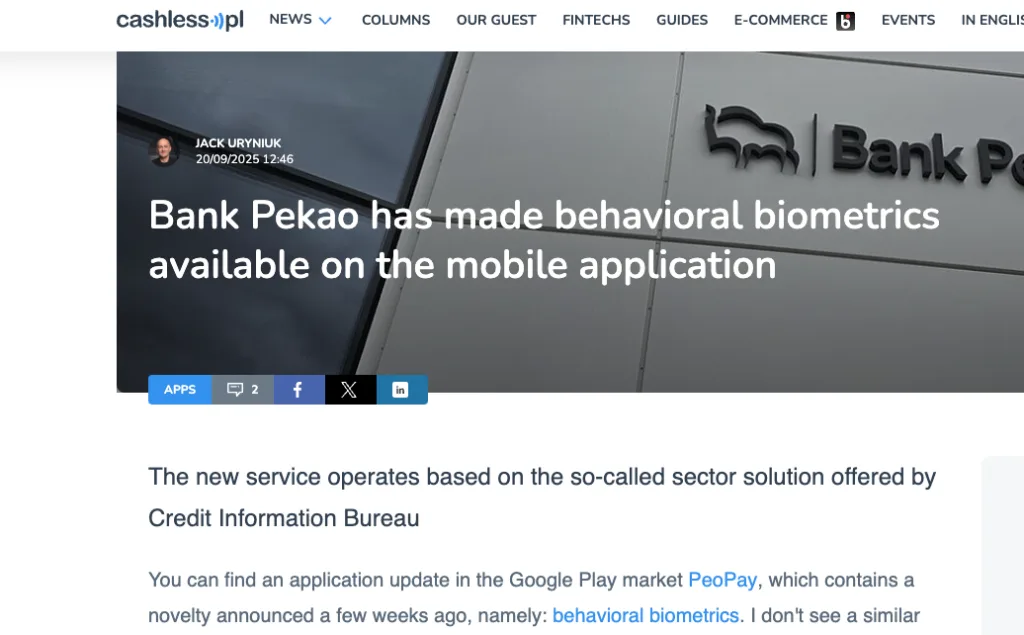
This is driving big media interest. Fraud is no longer covered only by industry outlets, but also by mainstream media. Journalists regularly report on the scale of the problem and the evolution of attack methods. Solutions such as behavioural biometrics, are becoming more visible and easier to explain. That gives the media a tangible angle.
The topic is already present in the media, but there is still plenty of room to explain it. This is especially visible in e-commerce, where platforms such as Sift, Riskified or Signifyd are helping businesses detect and prevent fraud at scale.
Examples of PR activities:
- Data-driven reports on fraud trends, showing the scale of attacks, most common scam scenarios and how user behaviour is being targeted.
- “Fraud alert” rapid commentary reacting to emerging scam types, explaining how they work and what both users and businesses should watch out for.
- Educational articles, explaining how fraud works online (e.g. chargebacks, fake accounts, bot activity) and how to prevent it.
For brands operating in these sectors, Poland offers a big potential to build visibility through media. If you want to work with a finance PR agency in Poland, feel free to get in touch with our team.