
Good digital health PR in Poland needs a local reason to be newsworthy. Luckily, healthcare gives you no shortage of topics. Waiting times, access to specialists, prevention and private care are all widely discussed in Poland. So – how do you turn that into a PR strategy for your brand?
1. Focus on Poland’s healthcare conversations
Poland doesn’t need convincing that healthcare can be digital. By the end of 2025, 20 million people had activated their Internet Patient Account. The country also scored 92% for access to electronic health records, compared with an EU average of 83%, Centrum e-Zdrowia reports.
The problems start elsewhere. A 2025 CBOS study found that around 70% of Poles were dissatisfied with the healthcare system. Access to specialists was one of the biggest pain points, rated negatively by 82%.
Prevention is another weak spot. Ministry of Health data shows that only 12.5% of eligible women took part in the national cervical cancer screening programme in 2025.
This is much better PR territory. If you’re in telemedicine, you may have something new to say about specialist access. Patient data could reveal where people drop out of prevention, or how far they travel to get an earlier appointment. The story is the problem. Your brand brings new evidence. It’s much more interesting to the media than another feature launch.
Agency pro tip
Choose two or three Polish healthcare issues your brand can genuinely add to. Make them part of your communication strategy, then keep coming back with new data, research or expert insight throughout the year.
2. Use data to create your own stories
Your own data can be one of your best PR assets in Poland. But the number of users you have isn’t the interesting part. What are they actually telling you about Polish healthcare? Look for changes over time. Differences between regions. Which specialists people struggle to find. How long they wait. Where they abandon a search without booking anything.
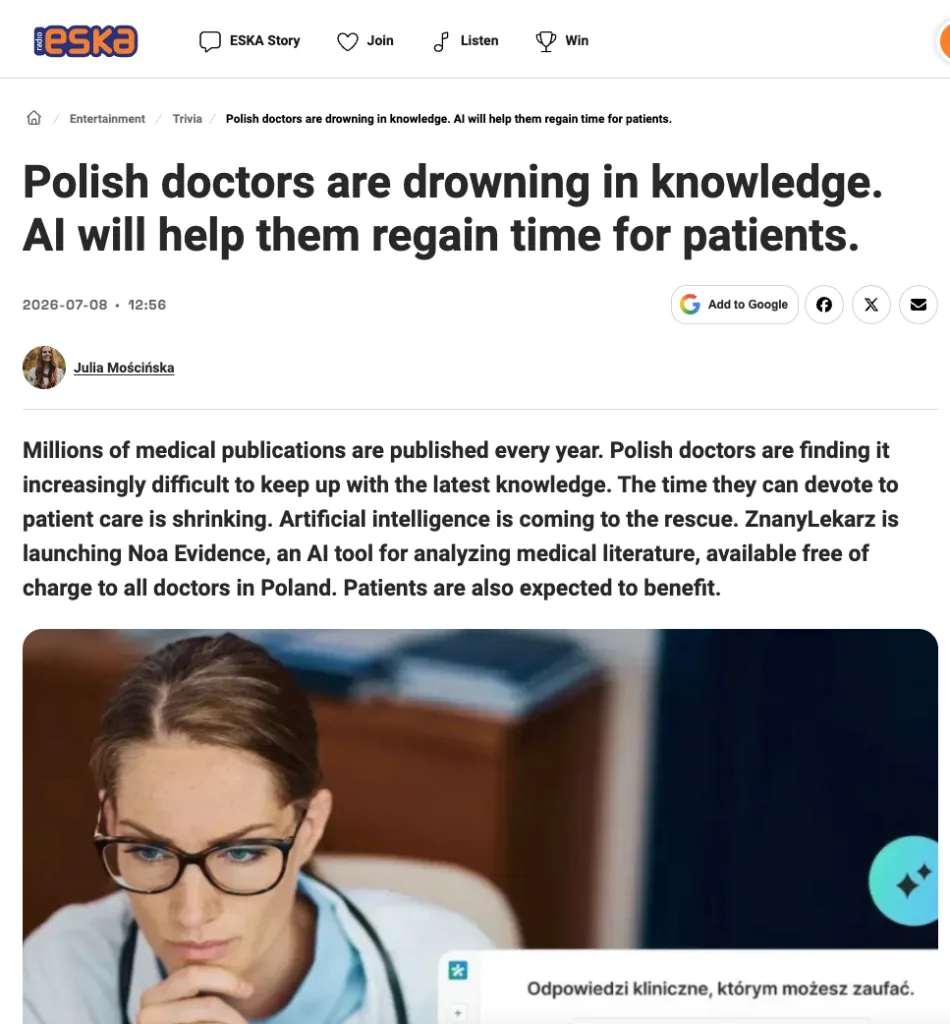
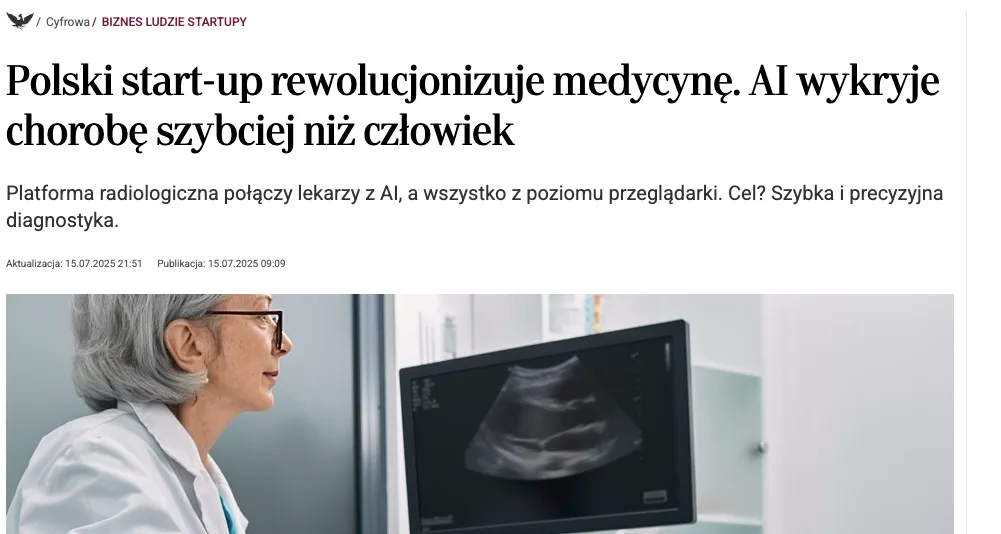
Polish platform HireDoc did this with its own data. In 2025, it analysed 3,402 job offers for doctors and recorded an 88% quarter-on-quarter increase, with results broken down by specialisation and region. The story was picked up by Spider’s Web Bizblog. The figures came from HireDoc’s own market data.
If your own data doesn’t give you enough, commission research among Polish patients. You could explore why they skip preventive screening, when they decide to pay for private care or how far they would travel to see a specialist sooner.
Agency pro tip
Go through the Polish data you already collect and look for patterns journalists can turn into stories. Then fill the gaps with local research. This can give you PR material to use throughout the year.
3. Think beyond national media
Healthcare access can look very different depending on where in Poland you live. Poland’s Supreme Audit Office has pointed to major regional gaps in access to care, including healthcare “white spots” across different voivodeships.
For PR, that makes national averages only part of the picture. If you have enough data, break it down by region, city or type of location. Waiting times, demand for specialists or use of digital consultations may look completely different in Warsaw and a smaller Polish city. That gives you more places to take the story. A nationwide finding can go to national media – regional results can be pitched separately to local journalists.
Agency pro tip
Plan regional cuts before you collect the data. If you’re commissioning research, make sure the sample is large enough to compare regions. One study can then give you both national and local PR angles.
4. Pitch beyond healthcare media
Good media relations in Poland means looking beyond healthcare outlets. Digital health stories can work for business, tech and even mainstream media. Just change the angle.
Take private healthcare. In a 2024 study by the Association of Financial Companies in Poland and SGH Warsaw School of Economics, 64.1% of Poles had used a private medical appointment at least once. Among those using private care, 74.1% pointed to a lack of access to the service they needed in the public system. 65.2% mentioned long NFZ waiting times.
A healthcare journalist may focus on access to care. A business journalist could look at what pushes Poles towards private healthcare. For mainstream media, the cost and patient experience may be the bigger story. Same data, but very different reason to care.
Agency pro tip
For every bigger PR story, ask who else might care about the findings. Then adapt the angle for each media category.
5. Build a local expert presence
Poles may be frustrated with the healthcare system, but they still trust the people working in it. A 2025 CBOS study found that 73% of them rated doctors’ competence positively – even though around 70% were dissatisfied with the healthcare system overall.
Local experts can add real weight to your brand PR. A Polish doctor or other relevant healthcare professional can explain what your data means for patients, comment on a current healthcare issue or speak to journalists when the topic hits the news.
Remember to prepare them first. Decide which topics they can own, have a short bio ready and make sure they can respond quickly. This opens the door to interviews, expert commentary and reactive PR– not just quotes in your own PR materials.
Agency pro tip
Build a small bench of Polish experts around the topics you want your brand to be known for. Their job is to add useful expertise, not repeat your marketing messages.
6. Plan for Polish healthcare regulations
PR in the healthcare sector comes with a few extra rules in Poland. Some can change your campaign before you even write a word.
For example, Polish law doesn’t allow doctors, pharmacists or other medical professionals to promote medical devices in public advertising. You can’t simply dress someone up as a doctor either.
If your digital health company provides healthcare services in Poland, there are limits here too. Under the Polish Medical Activity Act, information about those services cannot cross the line into advertising. This can (and should) affect your choice of experts, claims, partnerships and even campaign formats.
Agency pro tip
Check Polish compliance while planning your PR strategy. Especially if medical professionals, medical devices or pharma partners are involved.
Frequently Asked Questions about PR in a digital healthcare sector in Poland
Which Polish media cover digital health and healthcare?
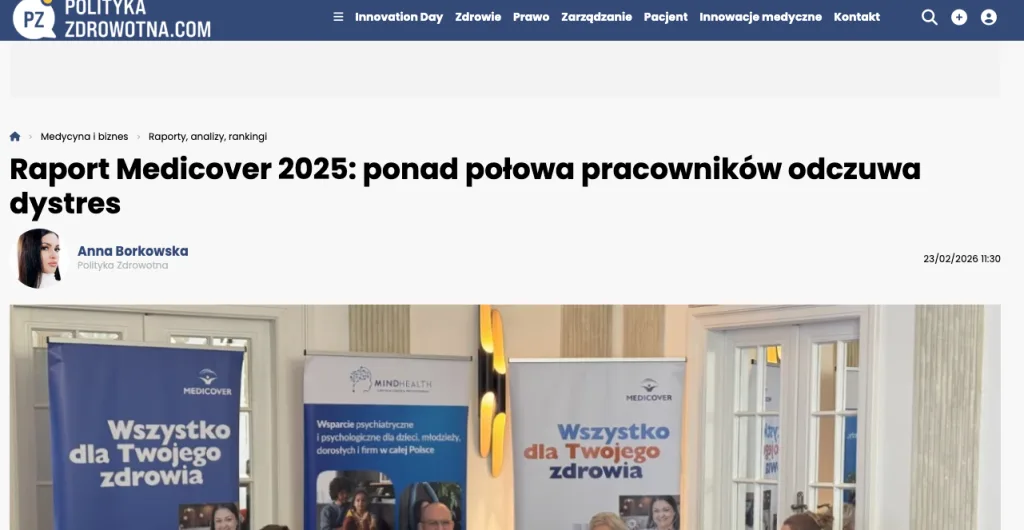
Medonet, Rynek Zdrowia and Puls Medycyny are three names you’ll come across quickly. They also happened to take the top three spots in IMM’s ranking of the most frequently cited Polish medical media in March 2026.
Do you need a separate PR strategy for entering the Polish market?
Yes, at least to some extent. You don’t need to throw your global strategy away and start again. But simply translating it won’t work either. Keep what makes sense for the brand, then rethink the stories, media and angles for Poland.
Do you need a PR agency in Poland to run local media relations?
You can run PR from abroad, but having people on the ground makes things much easier. Polish journalists work in Polish, local media have their own habits and interests. Knowing who covers what saves a lot of trial and error. A local agency can also tell you when a global story isn’t going to land here.
When should you start PR before entering the Polish market?
Much earlier than launch week. Give yourself time to find the Polish angle, prepare local materials and start talking to the right journalists.
How do you measure digital health PR in Poland?
At All 4 Comms, we work towards an agreed number of media publications. We keep working until that target is reached.
Planning digital PR in Poland’s digital health sector? We know the local media, the healthcare conversations and what tends to get journalists interested. Let’s talk!